Case Studies
Discover how leading manufacturers use CDOT and CTRACE to solve real traceability challenges.

Aluminum LPDC EV battery housings have rough, highly reflective surfaces and pass through heat treatment, machining, and washing — conditions where 2D matrix codes fail. Ford and its supplier deploy CDOT Code for direct part marking that stays readable through every extreme process step.

Power transformer production involves a large volume of copper slabs produced in series. Siemens Energy uses CDOT for direct part marking — keeping each slab identifiable through in-plant movement, nickel plating, and supplier returns.

Learn how CDOT AI Code's durable part identification works even in the most demanding production environments — remaining readable after heat treatment, coatings, sandblasting, and more.
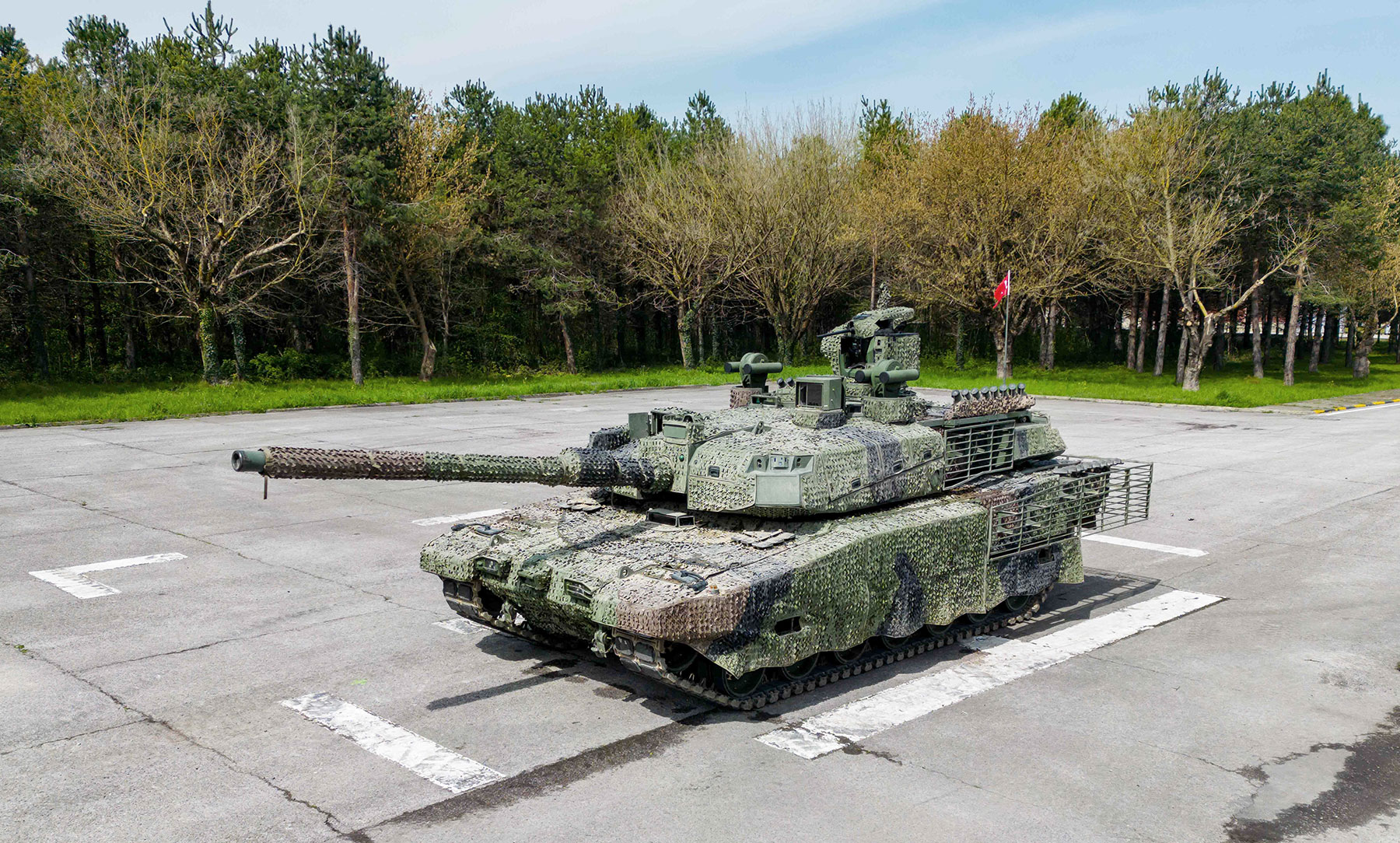
In defense manufacturing, traceability is mission critical. CDOT Code keeps armor plates, engine components, and powertrain parts identifiable through heat treatment, shot blasting, and extreme surface changes — from the factory floor to the battlefield.
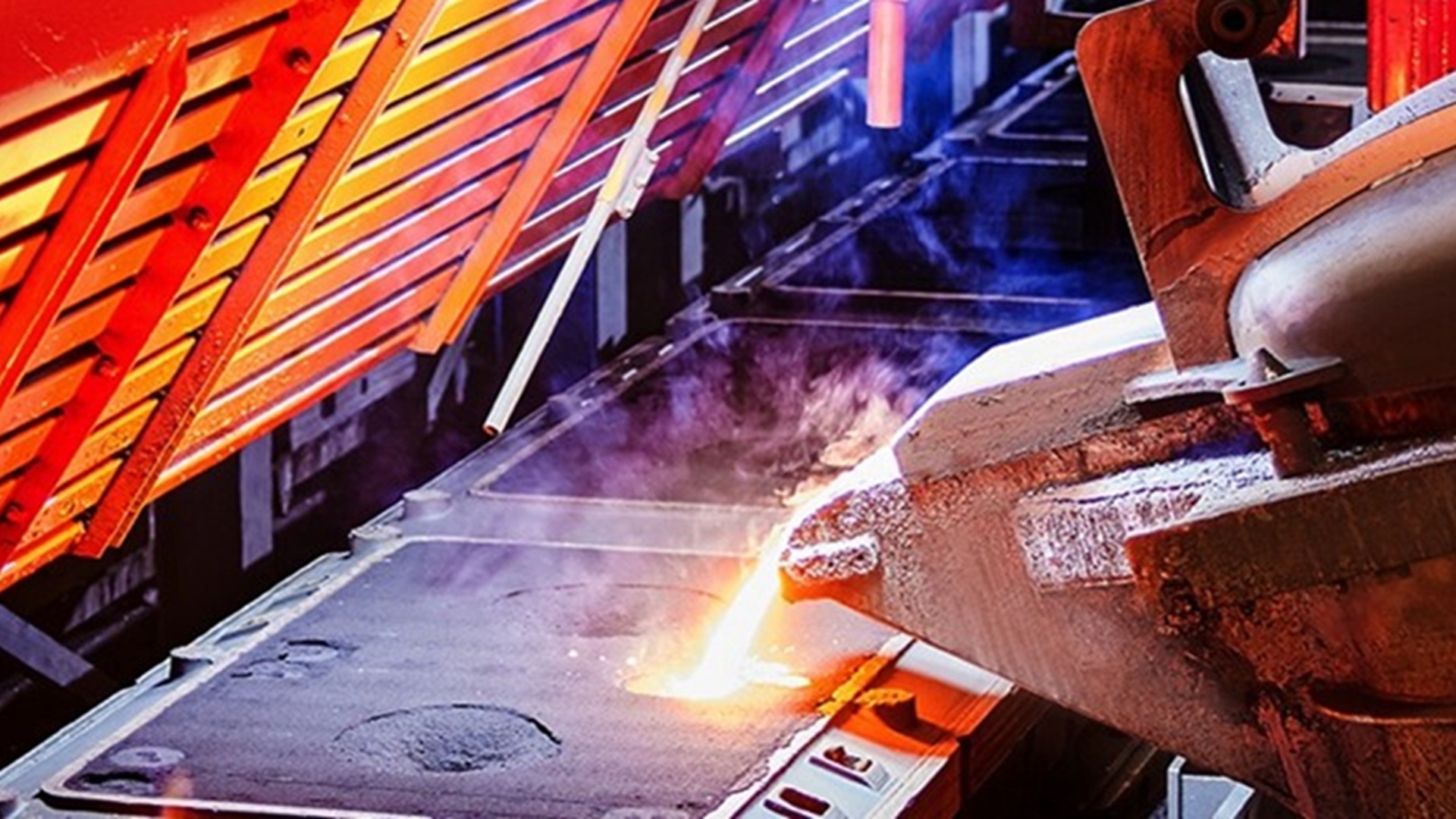
Eku Brakes achieved full part-level traceability in cast iron production with CDOT Code starting from green sand molding. Each disc stayed identifiable through pouring, shot blasting, heat treatment, and coating — improving visibility, defect tracking, and quality control.
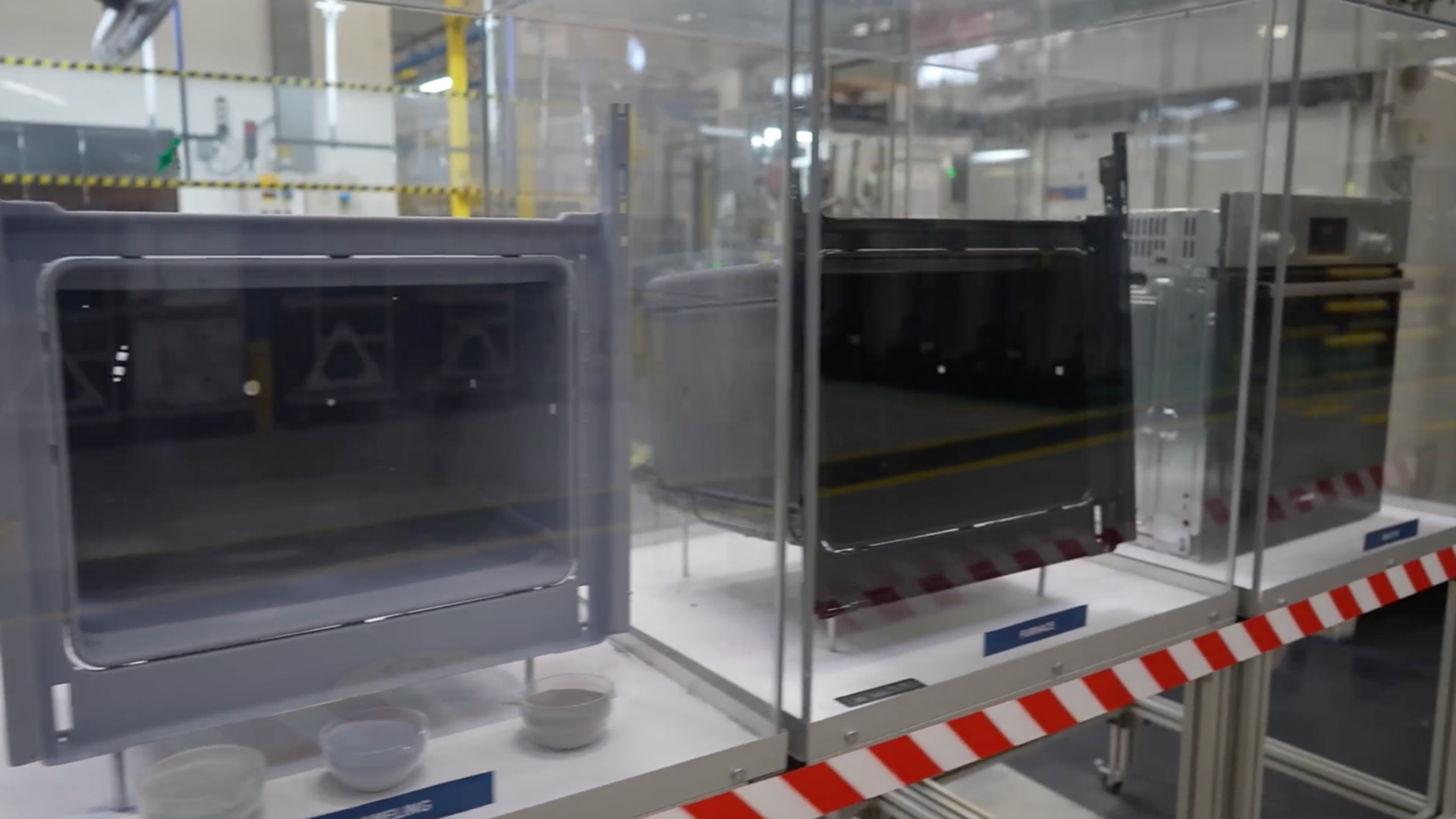
B/S/H achieved item-level traceability in oven cavity production with CDOT Code. Each cavity stayed identifiable through welding, degreasing, enameling, and high-temperature furnace firing at 850°C — reducing scrap, strengthening quality control, and enabling digital manufacturing.